Navigating Spain’s Volatile Currency Market with Micro Forex Strategies

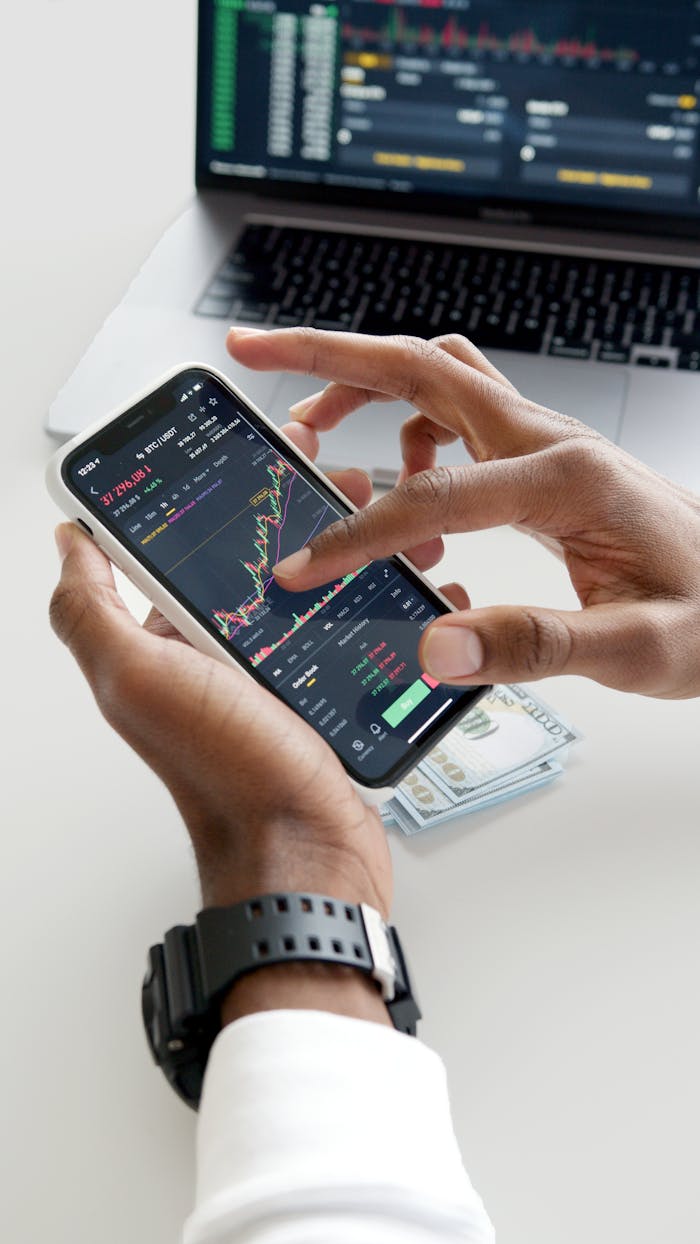
The dynamic nature of currency trading in Spain presents a unique set of challenges, largely due to the market’s inherent volatility. This volatility arises from a mix of economic reforms, political uncertainties, and shifting alliances within the European Union. For traders aiming to capitalize on these fluctuating conditions, employing micro forex trading strategies can be a particularly effective approach. These strategies focus on making smaller, more frequent trades, allowing traders to manage risk more effectively while taking advantage of Spain’s unpredictable currency movements.

At the heart of micro forex strategies is the flexibility they offer, enabling traders to react swiftly to sudden changes in the market. This adaptability is especially crucial in Spain, where economic indicators can shift unexpectedly, directly impacting the value of the Euro. By engaging in micro trading, investors can limit their exposure to any single trade, thereby reducing the risk of significant losses. This method is particularly advantageous in a volatile market, where long-term strategies may expose traders to greater unpredictability and risk.

A key element of successful micro forex strategies is the focus on analyzing short-term currency movements. Rather than relying on long-term trends and forecasts, traders zero in on immediate price actions and fluctuations. This often involves the use of technical analysis tools like Fibonacci retracements, Bollinger Bands, and stochastic oscillators to identify potential entry and exit points. These tools are invaluable for spotting subtle shifts in market momentum and sentiment, which are common in the Spanish forex market due to its sensitivity to both regional and global economic developments.

Another critical component of micro trading in the forex market is the use of tighter stop-loss orders. This technique is essential for protecting trading capital by limiting the potential losses on each trade. Given the rapid shifts in Spain’s forex market, even a small move in the wrong direction can lead to substantial losses. By setting strict limits on how much one is willing to lose on a single trade, traders can preserve their capital and extend their trading careers.

Effective risk management is also a cornerstone of micro forex strategies. In Spain, where economic data releases and policy changes can trigger significant market swings, managing risk through smaller trade sizes can be highly beneficial. This approach enables traders to distribute their risk across multiple trades, rather than concentrating it in larger positions that could be heavily impacted by sudden market movements. By diversifying their exposure in this way, traders can stay in the market longer, increasing their chances of seizing profitable opportunities as they arise.

Understanding and managing leverage is another crucial aspect of trading in such a volatile environment. While leverage can amplify potential returns, it can also magnify losses, making it particularly risky in a market as unpredictable as Spain’s. Micro forex strategies typically involve using lower leverage, aligning with the goal of minimizing risk. This cautious approach to leverage helps prevent scenarios where traders might suffer significant losses due to an unexpected spike or drop in the market.

In addition to technical strategies, maintaining emotional discipline is vital when employing micro trading tactics. The high frequency of trades associated with these strategies can be mentally taxing, potentially leading to impulsive decisions driven by emotions rather than logic. Successful traders develop patience and a disciplined mindset, ensuring that they adhere to their strategies and risk management principles, regardless of market volatility.

In conclusion, trading in Spain’s volatile forex market requires a strategic approach that balances flexibility, risk management, and disciplined execution. Micro forex strategies offer a practical solution, allowing traders to navigate the market’s complexities while managing their risk exposure. By focusing on smaller, more frequent trades, utilizing technical analysis, and maintaining a disciplined approach, traders can position themselves to capitalize on the unique opportunities presented by Spain’s dynamic forex market. For those committed to mastering these strategies, the rewards can be substantial, making the Spanish market a compelling arena for forex trading.


Investment Strategies in Volatile Economies: How Currency Trends Influence Financial Decisions

In volatile economies, where market conditions can change rapidly and unpredictably, making sound investment decisions becomes a challenging yet crucial task. Investors must navigate a landscape filled with uncertainty, where currency trends play a significant role in shaping financial outcomes. Understanding these trends and how they influence investment strategies can make all the difference between safeguarding your portfolio and facing unexpected losses.

The Impact of Currency Trends on Investments

Currency trends, which refer to the movements in exchange rates between different currencies, have a profound impact on international investments. In volatile economies, these trends can be especially erratic, driven by factors such as political instability, economic policy shifts, or global events. For investors, currency fluctuations can either amplify gains or lead to significant losses, depending on how these trends are managed.

When a currency depreciates, assets denominated in that currency can lose value when converted back into a stronger currency. For example, if an investor holds stocks in a country where the local currency suddenly weakens, the value of those stocks may decrease in terms of the investor’s home currency, even if the stocks themselves perform well. Conversely, if a currency appreciates, the value of foreign investments can increase when converted back, potentially boosting overall returns.

This dynamic means that investors need to pay close attention to currency trends, especially in volatile economies where exchange rates can swing dramatically. An FX traders, who specializes in the foreign exchange market, often monitors these trends closely, providing insights that can help investors make informed decisions about where and how to allocate their assets.

Diversification as a Strategy

One of the key strategies for managing risk in volatile economies is diversification. By spreading investments across a range of assets, sectors, and geographical regions, investors can reduce their exposure to the specific risks associated with any one currency or market. In the context of currency trends, diversification might involve holding assets in multiple currencies to hedge against the risk of any single currency’s depreciation.

For instance, if an investor has a portfolio heavily weighted in assets from a country with a potentially unstable economy, diversifying into assets from more stable economies can help balance the risk. Additionally, investing in multinational companies that operate across several countries can provide a natural hedge against currency fluctuations, as these companies often generate revenue in multiple currencies.

An FX trader might suggest further diversification within the foreign exchange market itself. This could involve holding a mix of major currencies, like the U.S. dollar, euro, and yen, along with select emerging market currencies. This approach can help mitigate the impact of volatility in any one currency and provide opportunities to capitalize on favorable trends in others.

Hedging Against Currency Risk

Hedging is another important strategy for managing the impact of currency trends in volatile economies. Hedging involves taking positions in the market that offset potential losses in an investment due to adverse currency movements. For example, an investor who holds foreign stocks might use currency futures or options to lock in an exchange rate, thereby protecting against a decline in the foreign currency’s value.

While hedging can provide a safety net, it also comes with costs and complexities. It requires careful consideration of the potential risks and rewards, as well as an understanding of how different hedging instruments work. This is where the expertise of an FX trader can be particularly valuable. An experienced trader can advise on the most appropriate hedging strategies based on the investor’s risk tolerance, investment horizon, and market outlook.

Staying Informed and Flexible

In volatile economies, staying informed and remaining flexible are crucial components of a successful investment strategy. Currency trends can change rapidly, and what may be a sound investment today could become risky tomorrow. Investors should regularly review their portfolios and be prepared to make adjustments as needed to respond to shifting market conditions.

Enhancing Safety with Wall Padding: A Must-Have for Gyms and Schools

Safety is a top priority in any environment where physical activity takes place, particularly in gyms and schools where students and athletes are frequently engaged in sports and other physical exercises. One essential safety measure that is often overlooked is the use of wall padding. These padded surfaces play a crucial role in preventing injuries and creating a safer environment for everyone involved, from young children participating in PE classes to high-level athletes training intensely. Here’s why padding is a must-have for gyms and schools.

The Role of Padding in Injury Prevention

When you think of sports-related injuries, your mind might immediately go to sprained ankles, broken bones, or concussions resulting from falls or collisions. While these injuries are common, another serious risk is the impact that can occur when someone crashes into a wall during play. Whether it’s a basketball player driving toward the hoop, a gymnast tumbling out of control, or a young child simply losing balance, walls pose a significant hazard if they are not properly cushioned.

This is where wall padding comes into play. Designed to absorb impact and reduce the force felt by an individual upon collision, these pads can dramatically reduce the severity of injuries. The cushioning provided by the pads helps to prevent serious injuries like head trauma, fractures, and bruises, making it an indispensable safety feature in areas where physical activity occurs regularly.

Creating a Safe Environment for Learning and Play

In schools, physical education is an integral part of the curriculum, promoting health, teamwork, and physical fitness. However, ensuring that students can participate safely is just as important as the activities themselves. Gymnasiums, multi-purpose rooms, and even hallways are places where accidents can happen, especially when young students are involved.

Wall padding contributes to creating a safer environment for these activities. By covering hard surfaces that could cause injury, it allows children to engage in sports and play with greater freedom and confidence. This not only helps in reducing the risk of injury but also encourages more active participation from students who might otherwise be hesitant to get involved due to fear of getting hurt.

For schools, investing in padding is an investment in the well-being of their students. It demonstrates a commitment to providing a safe space for physical development and education, where students can learn and grow without unnecessary risks. Moreover, it reassures parents that their children are protected while at school, which can increase overall satisfaction and trust in the institution.

Supporting High-Intensity Training in Gyms

For gyms, particularly those that host contact sports like martial arts, boxing, or basketball, the intensity of the training sessions means that the risk of impact injuries is higher. Athletes are constantly pushing their limits, which can sometimes result in losing control and colliding with walls. Without proper padding, these collisions can lead to serious injuries that not only sideline athletes but also potentially have long-term health implications.

Padding in gyms serves as a protective barrier, allowing athletes to train harder and with more confidence. Knowing that the environment is designed with their safety in mind enables them to focus more on their performance and less on the potential dangers around them. This focus can lead to better training outcomes and a reduced incidence of injury-related downtime.

Long-Term Benefits of Padding

While the immediate safety benefits of wall padding are clear, there are also long-term advantages to consider. For both schools and gyms, fewer injuries mean fewer disruptions to activities, classes, or training sessions. This continuity is important for maintaining the momentum of physical education programs or athletic training routines, which can be derailed by frequent accidents.

Moreover, by reducing the likelihood of injuries, institutions may also lower their liability risks. In environments where physical activity is encouraged or required, the potential for injury-related lawsuits is always present. Having comprehensive safety measures like padding in place can provide legal protection by demonstrating that reasonable precautions have been taken to prevent accidents.

Thriving in Thailand’s Financial Scene: A Beginner’s Insight into Leveraged Trading

In the investment world, leverage is a powerful yet double-edged tool. It’s a concept that can amplify both gains and losses, especially in dynamic markets like Thailand. When harnessed wisely, leverage can significantly enhance returns, but it also requires careful management. Let’s explore the concept of leverage, its implications, and how CFD trading fits into Thailand’s evolving financial landscape.

What is Leverage?

Leverage allows traders to control larger positions with a relatively small amount of capital. Think of it like taking out a loan to boost your investment capacity. For example, if you have a business idea but lack sufficient funds, a financial institution might offer you a loan to make a larger investment. This principle applies to trading as well, where leverage enables you to amplify your market position beyond your initial investment.

The Rise of Leverage in Thailand

Thailand, with its vibrant culture and scenic landscapes, is also making strides in the financial sector. The country’s economic growth and increasing interest in financial instruments such as stocks and derivatives are drawing global attention. As Thai traders seek to maximize their market positions, leverage—provided by brokers—has become a popular tool.

CFD trading, in particular, utilizes leverage to allow traders to control large positions with a relatively small margin. Contracts for Difference (CFDs) are agreements between traders and brokers to exchange the difference in the asset’s price from the start to the end of the contract. This means traders can speculate on price movements without owning the underlying asset.

The Allure of Amplified Profits

The primary draw of leverage in trading is its potential to magnify profits. For example, if a trader in Thailand expects an asset’s value to rise, leverage enables them to purchase more of the asset than their available funds would typically allow. If their prediction is correct, their profits can be significantly higher. However, it’s important to recognize that leverage also amplifies losses if the market moves against them, making it a high-risk strategy.

The Critical Role of CFD Brokers

In CFD trading, leverage is a fundamental feature. Traders are often required to deposit only a fraction of the total trade value, known as the margin. This leverage can lead to significant returns but also carries substantial risks. The choice of a CFD broker is crucial in managing these risks. A reputable broker provides not only a platform for trading but also essential tools and resources for informed decision-making.

High-quality brokers in Thailand offer various risk management tools, such as stop-loss orders, which automatically close a trade when losses reach a predefined level. These tools help mitigate potential losses and protect your investment.

Navigating the Risks of Leverage

While leverage can offer enticing opportunities, it also comes with notable risks. Losses can exceed the initial investment, making risk management even more critical. For beginners, it’s essential to approach leveraged trading with both caution and enthusiasm. Understanding the intricacies of leverage and seeking guidance from experienced brokers can significantly improve your trading outcomes.

Thailand’s growing financial market presents numerous opportunities for traders to leverage their investments. However, to thrive in this exciting yet challenging environment, it’s vital to continuously expand your knowledge, practice prudent risk management, and leverage the expertise of seasoned brokers.

Thailand’s financial scene is ripe with opportunities for leveraging success. By understanding the mechanics of leverage, staying informed about market trends, and utilizing the resources offered by reputable brokers, traders can maximize their potential returns while managing associated risks. Leverage, when used wisely, can be a powerful tool in the quest for financial growth, but it requires ongoing education and disciplined risk management to navigate effectively.

Unlocking Success in France’s Forex Scene: A Trader’s Blueprint

Forex trading in France is an exhilarating venture for those looking to boost their earnings through clever and calculated strategies. While the global forex market is vast and multifaceted, the French segment stands out with its unique set of opportunities. When tackled with expertise and creativity, it can yield significant gains. This article delves into advanced techniques to equip traders with the necessary knowledge and tools to excel in this intricate market.

Excelling in forex trading hinges on the skill to interpret and predict market movements accurately. This is particularly crucial in the French market, where economic indicators, policy shifts, and geopolitical events can heavily impact currency values. Advanced traders typically combine fundamental and technical analysis to gauge market sentiment and anticipate trends. By meticulously examining economic reports, interest rate decisions, and political news, traders can gain crucial insights into potential market directions. Simultaneously, technical analysis using charts and historical data helps identify patterns and signals that inform trading decisions.

A crucial strategy for minimizing risk and maximizing profitability is diversification. In the French market, this involves spreading investments across various currencies and trading pairs, thereby reducing exposure to any single economic event or market fluctuation. Diversification extends beyond currency pairs; it also encompasses employing different trading strategies and timeframes. By mixing short-term trades with long-term investments, traders can balance immediate gains with sustained growth, resulting in a more stable and lucrative trading portfolio.

Leverage is another advanced approach that, when used strategically, can amplify returns. However, it requires meticulous management to avoid substantial losses. Experienced traders in France use leverage prudently, employing stop-loss orders and position sizing to manage risks effectively. By applying leverage wisely, traders can enhance their market position and capitalize on small price movements without exposing themselves to excessive risk. This disciplined use of leverage offers greater flexibility and resilience in navigating the volatile French market.

Automation and the advent of forex trading bots have revolutionized trade execution. These technological innovations allow traders to automate their strategies, enabling them to seize market opportunities around the clock without constant supervision. Automated systems can execute trades based on predefined criteria, reducing the impact of emotional decision-making and promoting a more disciplined trading approach. Moreover, these systems can analyze market data at speeds beyond human capability, providing traders with a competitive edge in spotting profitable opportunities.

Continuous learning and staying informed are perhaps the most underrated yet essential techniques for maximizing profits. The French market, like all financial markets, is in constant flux. New tools, technologies, and strategies continually emerge. Successful traders commit to lifelong learning, staying abreast of the latest market trends, economic developments, and technological advancements. This dedication helps refine existing strategies and uncover new profit opportunities.

Engaging with other traders and participating in trading communities can also yield valuable insights and perspectives. Sharing ideas and experiences with peers can unveil new strategies, highlight potential pitfalls, and offer support. In a market as complex as France’s, the collective wisdom of a community can be a powerful resource for individual traders.

France’s forex market offers fertile ground for traders willing to employ innovative techniques to maximize their earnings. These strategies demand commitment, discipline, and a readiness to embrace risk, but they also offer the potential for substantial returns. The key to success lies in balancing sound risk management with an active pursuit of opportunities. As traders navigate this dynamic landscape, they are reminded that the journey toward maximizing profits is one of continuous learning, adaptation, and strategic innovation. With dedication and the right approach, the rewards can be both enriching and fulfilling.

Ultimately, what distinguishes successful traders is their ability to blend knowledge with intuition, balance caution with boldness, and continuously learn from ever-changing market conditions. The French forex market, with its unique blend of opportunities and challenges, offers a rich arena for those willing to invest the time and effort to master its secrets. Embrace the journey, stay informed, and remain adaptable, and the rewards of the French forex market will be within reach.

Unraveling the Enigma of Vietnam’s Currency and Its Global Implications

In the ever-evolving realm of global finance, Vietnam’s currency, the Vietnamese Dong (VND), emerges as a captivating enigma for investors worldwide. This article ventures into the heart of the Dong’s journey, revealing how Vietnam’s unique economic and political landscape shapes its currency’s destiny and influences global forex trading markets.

Vietnam, often celebrated for its dynamic urban growth and scenic rural expanses, presents a distinct blend of ancient traditions and modern economic ambitions. At first glance, the Dong might appear to follow the typical trajectory of other currencies. However, a closer inspection uncovers a range of factors that contribute to its complex behavior and growing significance in the global financial arena.

Vietnam’s economic reforms over the past few decades have been nothing short of transformative. The nation’s shift towards a more market-oriented economy, coupled with a robust manufacturing sector, has played a crucial role in defining the Dong’s value. Vietnam has emerged as a key player in global supply chains, offering an attractive alternative to established production hubs. This shift has catalyzed an influx of foreign investment, directly impacting the Dong’s performance in the forex trading market. As the world increasingly recognizes Vietnam as a vital manufacturing center, understanding the interplay between industrial growth and currency valuation becomes essential for investors.

Yet, the Dong’s story is not solely driven by economic factors. Vietnam’s political and social environment exerts a profound influence on its currency. Government policies, especially those governing trade and foreign investment, have a significant impact on the Dong’s value. Vietnam’s proactive engagement in international trade agreements and partnerships highlights the strategic maneuvers that shape the Dong’s performance. For traders, keeping abreast of these policy shifts is crucial for making informed decisions in the forex market.

The role of Vietnam’s central bank adds another layer of complexity. The State Bank of Vietnam occasionally intervenes in the forex market to stabilize the Dong or steer monetary policy. These interventions can lead to short-term fluctuations in the Dong’s value, presenting both opportunities and risks for forex traders. Monitoring the central bank’s actions and understanding their implications can provide valuable insights into the currency’s short-term movements.

Global economic factors also play a significant role in shaping the Dong’s trajectory. Fluctuations in commodity prices, particularly oil, and the economic performance of major economies such as China and the United States have ripple effects on Vietnam’s market. As Vietnam integrates further into the global financial system, the Dong becomes increasingly responsive to international economic trends. This underscores the importance of maintaining a global perspective when trading the Dong.

Navigating the complexities of the Dong is not without its challenges. Despite Vietnam’s strides towards transparency, the market still harbors elements of opacity. Data availability and interpretability may lag behind more developed markets, making local expertise invaluable. Collaborating with a forex broker who understands the nuances of the Vietnamese market can provide traders with the necessary insights to navigate this evolving landscape effectively.

The Vietnamese Dong’s response to both domestic and global pressures offers a fascinating case study in currency dynamics. To capitalize on its fluctuations, investors must consider Vietnam’s socio-economic environment alongside broader international trends. This exploration promises both challenges and rewards. With a solid grasp of the Dong’s behavior and the support of knowledgeable brokers, traders can unlock substantial opportunities in the forex market.

In essence, the Vietnamese Dong embodies the intricate dance of global currency dynamics. Influenced by a combination of local policies, international relationships, and economic trends, it offers a rich landscape for discerning investors. As Vietnam continues to assert its presence on the global stage, the Dong’s role in the forex market is set to expand, presenting a mix of challenges and opportunities for those prepared to delve into its complexities. Understanding the interplay of these factors is vital for successful trading, underscoring the value of both local insight and a comprehensive global perspective in the dynamic world of forex trading.

Imaginative Getaways: Discovering Affordable Themed Stays for Families

When traveling with kids, the choice of accommodation becomes more critical and exciting. Gone are the days when a basic bed and breakfast could meet all needs. Nowadays, families seek out creative, themed stays that offer more than just a place to sleep; they provide an experience that adds a magical touch to the family vacation. From enchanted castles to undersea adventures, these themed accommodations turn ordinary trips into extraordinary memories.

One major factor in finding affordable, themed accommodation is to search for places where the theme permeates not just the decor, but also the activities and experiences offered. Many family-oriented hotels and resorts have embraced this trend, transforming their properties into wonderlands where every detail is designed to captivate and engage young minds.

An increasingly popular choice for themed family stays is the nature-inspired retreat. Imagine spending the night in a cozy treehouse nestled in a forest or a rustic mountain lodge where the adventure continues from dawn to dusk. These locations often feature outdoor activities like hiking, fishing, and wildlife spotting, providing a refreshing escape from urban life. Despite their unique settings, these accommodations can be surprisingly budget-friendly, offering families an affordable way to connect with nature.

For a splash of excitement, underwater or nautical-themed accommodations are a hit. Picture a room that feels like you’re under the sea, complete with ocean murals, aquatic-themed bedding, and even treasure chest toy boxes. Such immersive environments turn the simple act of staying in the room into an adventure. Many of these places also offer interactive experiences like snorkeling lessons or visits to nearby aquariums, ensuring that every moment is filled with discovery and fun.

If you’re aiming for a dash of fantasy, fairy-tale themed accommodations are bound to enchant. Children can sleep in castle-like settings, with staff dressed as beloved storybook characters and decor that transports you to a land of magic and wonder. These accommodations often include activities like story time, costume dress-up, and magical evening events, creating a truly immersive experience. Surprisingly, many of these whimsical places offer budget-friendly options that do not sacrifice the enchanting atmosphere.

Choosing the right cheap accommodation is about more than just aesthetics; it’s about crafting an environment that sparks imagination and wonder. However, it’s important to balance the fantastical elements with practical considerations. Family-friendly accommodations should also provide essential amenities such as kitchen facilities, laundry services, and easy access to local attractions. This balance ensures that the stay is enjoyable for both children and parents.

Safety is a paramount concern for any family trip. The best kid-friendly accommodations prioritize safety with features like childproof rooms, 24-hour security, and on-site medical assistance. Knowing that these precautions are in place allows parents to relax and enjoy their vacation more fully.

Location is another crucial factor in choosing affordable family accommodation. Staying near major attractions can save time and transportation costs, making it easier to return to the room for mid-day breaks or unplanned needs. Many themed accommodations are conveniently located near theme parks, zoos, or natural attractions, providing an ideal base for exploring the local area.

Timing your booking to the off-season or hunting for package deals can also make these themed stays more affordable. Many hotels and resorts offer special packages that include meals, activities, and sometimes even tickets to local attractions, significantly reducing the overall cost of the trip. This way, families can enjoy a rich and immersive experience without straining their budget.

Finding the perfect cheap accommodation for a family trip involves more than just securing a place to sleep. It’s about finding a place where imaginations can run wild, where kids can engage in creative play, and where unforgettable memories are made. With careful planning and a bit of research, families can discover themed stays that are both delightful and affordable, turning a simple vacation into an extraordinary adventure. This approach to travel ensures that the magic of the trip lingers long after the journey ends, creating cherished memories that will last a lifetime.

The Unseen Influence of the Canadian Dollar on Global Forex Dynamics

In the expansive realm of global forex trading, where currencies dance continuously across time zones, the Canadian dollar (CAD) holds a noteworthy role. The movements of the Canadian dollar send ripples through the international forex markets, affecting strategies and trader sentiments worldwide. Understanding this complex interplay requires delving into the factors that drive the CAD and how its fluctuations impact global trading environments.

Forex trading fundamentally revolves around currency pairs, where the value of one currency is measured against another. For instance, in the USD/CAD pair, the value of the US dollar is gauged relative to the Canadian dollar. Shifts in the CAD’s value against other major currencies such as the euro, yen, or pound have substantial implications for traders globally. These shifts are not just random; they stem from a web of economic indicators and monetary policies.

Canada’s economic performance is a primary driver of its currency’s value. Key indicators such as GDP growth, employment rates, inflation, and interest rates significantly influence the CAD. A thriving economy, marked by robust GDP growth and low unemployment, typically strengthens the Canadian dollar. Investors view such a scenario as a sign of stability and health, making the CAD a more attractive investment. On the flip side, adverse economic data can erode confidence, leading to a depreciation of the CAD.

Monetary policy, steered by the Bank of Canada (BoC), also plays a pivotal role. The BoC’s decisions on interest rates are closely watched, as these rates determine the return on investments denominated in CAD. Higher interest rates usually lure foreign capital, boosting the currency’s value. When the BoC raises rates, the CAD often appreciates as investors flock to capitalize on the higher returns. Conversely, a rate cut can lead to a weaker CAD as returns diminish.

Global economic trends and external events further influence the Canadian dollar’s performance. As a major exporter of commodities, particularly crude oil, Canada’s currency is closely tied to commodity price fluctuations. Rising oil prices generally bolster the CAD, reflecting increased revenue from exports. When oil prices fall, the CAD typically weakens, mirroring reduced economic contributions from the energy sector.

Geopolitical events add another layer of complexity. Trade agreements, political stability, and global economic outlooks all sway the CAD. For instance, uncertainties in international trade or geopolitical tensions can lead investors to seek refuge in safe-haven currencies like the US dollar or Swiss franc, often resulting in a weaker Canadian dollar. Such movements highlight the interconnectedness of global markets and how external shocks can influence domestic currencies.

Market sentiment and investor psychology also play crucial roles. In times of global economic uncertainty, currencies perceived as stable and safe attract more investment. If investors perceive potential instability in Canada or globally, they might shift their capital to more stable regions, impacting the CAD. This dynamic showcases the importance of investor confidence and its impact on currency valuation.

For forex traders, understanding the myriad factors affecting the Canadian dollar is essential. By monitoring economic reports, BoC announcements, commodity price movements, and geopolitical developments, traders can better anticipate market movements and adjust their strategies accordingly. A nuanced grasp of these elements allows traders to manage risks effectively and exploit opportunities in a volatile market.

The influence of the Canadian dollar extends beyond its borders, underscoring the global nature of forex trading. Every fluctuation in the CAD is a signal to traders worldwide, reflecting broader economic and political trends. This interconnectedness means that Canadian economic policies and external events have far-reaching consequences, affecting forex markets across continents.

The Canadian dollar’s value is a barometer for both domestic economic health and broader global trends. Factors such as economic indicators, BoC policies, commodity prices, and geopolitical events all contribute to the CAD’s performance. For forex traders, staying attuned to these influences is crucial for navigating the complexities of the market. By understanding the forces shaping the Canadian dollar, traders can make informed decisions, leveraging the interplay between domestic conditions and global dynamics to their advantage. This comprehensive approach ensures they remain competitive in the ever-evolving landscape of trading, where the Canadian dollar continues to play a pivotal role.

Unleashing the Power of Charts: A Deep Dive into TradingView for Modern Traders

In the intricate world of financial markets, possessing a keen analytical eye and reliable tools can dramatically alter your trading outcomes. For dedicated traders, charting software transcends mere utility, becoming a critical element of their trading arsenal. Among the myriad of options available, TradingView charts have carved a niche as a top-tier choice, offering profound insights and an array of comprehensive tools suited for traders across the spectrum.

pexels-photo-6802049-6802049.jpg

Selecting the right charting software involves more than just tracking price changes. It requires grasping market dynamics, scrutinizing trends, and leveraging various technical indicators to effectively predict future movements. With the appropriate software, these tasks become more streamlined and accurate, thereby enhancing trading decisions.

Advanced charting software offers significant advantages for traders aiming to refine their market analysis. One of the foremost benefits is access to real-time data, essential for making prompt, informed decisions. This real-time capability allows traders to react instantly to market fluctuations, a vital feature in volatile trading environments where every second is pivotal.

Moreover, robust charting platforms like TradingView provide an extensive range of analytical tools, from simple price charts to intricate technical indicators and drawing tools. These features enable traders to dissect market trends, pinpoint support and resistance levels, and forecast price movements with heightened precision.

When choosing charting software, it is crucial to consider several key attributes that impact trading efficiency and effectiveness. One of these is the variety of chart types available. TradingView charts offer multiple chart types, including line, bar, candlestick, and Renko charts, among others. Each chart type delivers different insights, allowing traders to interpret market data in ways that best align with their trading strategies.

The range of available technical indicators is another vital feature. Indicators such as moving averages, RSI, MACD, and Bollinger Bands are indispensable for conducting technical analysis. They assist traders in understanding market conditions and potential price movements by analyzing historical and current data trends. The most effective charting software provides a broad selection of these indicators, empowering traders to develop sophisticated, data-driven strategies.

Customization and ease of use are also critical. Each trader has unique needs and preferences, and the ability to tailor the trading interface, indicators, and analytical tools is a significant advantage. TradingView excels in this area, offering highly customizable interfaces that can be adapted to meet individual trader requirements. This flexibility ensures that traders, regardless of their skill level, can configure their trading environment to enhance their overall experience.

Beyond technical functionalities, the best charting software often includes access to a community of traders. This community can be an invaluable resource for both novice and experienced traders. Platforms like TradingView not only provide excellent charting tools but also nurture a community where traders can exchange insights, strategies, and tips. Engaging with this community can deepen understanding of market trends and lead to more sophisticated trading strategies.

Furthermore, continuous learning is supported by the educational resources provided by the charting software. Through tutorial videos, webinars, and articles, these resources help traders stay abreast of the latest tools and strategies, facilitating ongoing skill development and trading proficiency.

Before committing to a charting software, it is essential to evaluate your specific needs and trading style. Consider factors such as the markets you trade, the complexity of your strategies, and your experience level. Software like TradingView is ideal for traders requiring detailed analysis and who value community interaction. However, every trader’s needs differ, and what suits one may not be ideal for another.

Choosing the right charting software can significantly impact your trading success. Tools like TradingView offer the analytics, real-time data, customizability, and community support that can elevate your trading capabilities. By carefully assessing the features and functionalities that align with your trading requirements, you can select software that not only complements your trading style but also enhances your ability to make informed decisions in the fast-paced financial markets.

Navigating the Landscape: How to Create a Startup Company in 2024

In the ever-evolving world of entrepreneurship, launching a startup in 2024 requires a blend of innovation, adaptability, and strategic planning. As technological advancements continue to reshape industries and consumer behaviors, aspiring entrepreneurs must navigate a dynamic landscape while seizing opportunities for growth and impact. Whether you’re a seasoned entrepreneur or a first-time founder, here are some key steps to guide you through the process of creating a startup company in 2024.

  1. Identify a Market Gap or Opportunity: Successful startups often emerge from identifying unmet needs or inefficiencies in the market. Conduct thorough market research to identify trends, gaps, and emerging opportunities. Consider factors such as changing consumer preferences, technological advancements, regulatory developments, and societal shifts. By understanding market dynamics and consumer demands, you can pinpoint areas ripe for innovation and disruption.
  2. Develop a Unique Value Proposition: Differentiation is crucial in a competitive landscape. Define a compelling value proposition that sets your startup apart from existing solutions. Focus on addressing pain points, delivering tangible benefits, or offering a unique selling point that resonates with your target audience. Whether it’s superior quality, affordability, convenience, sustainability, or innovation, articulate why customers should choose your product or service over alternatives.
  3. Validate Your Idea: Before investing significant time and resources, validate your startup idea to ensure its viability and market demand. Conduct surveys, interviews, or focus groups to gather feedback from potential customers and stakeholders. Test prototypes, MVPs (Minimum Viable Products), or pilot programs to assess product-market fit and iterate based on user feedback. Validate assumptions, iterate quickly, and pivot if necessary to align with market needs and preferences.
  4. Create a Solid Business Plan: A well-crafted business plan serves as a roadmap for your startup’s journey, outlining your vision, objectives, strategies, and financial projections. Define your target market, competitive landscape, revenue model, marketing strategy, operational plan, and scalability roadmap. Consider factors such as funding requirements, pricing strategy, distribution channels, and customer acquisition tactics. While flexibility is essential, a clear plan provides direction and helps secure funding and partnerships.
  5. Build a Strong Team: Surround yourself with a talented and diverse team that shares your vision and complements your skills. Recruit individuals with expertise in areas such as product development, marketing, sales, finance, and technology. Emphasize collaboration, communication, and a culture of innovation and accountability. Invest in talent development, foster a positive work environment, and empower your team to contribute creatively and effectively to your startup’s success.
  6. Secure Funding: Access to capital is critical for fueling startup growth and scaling operations. Explore various funding options, including bootstrapping, angel investors, venture capital, crowdfunding, grants, and accelerators. Tailor your funding strategy to your startup’s stage, growth trajectory, and funding requirements. Prepare a compelling pitch deck, financial projections, and business case to attract investors and demonstrate the potential ROI (Return on Investment) of your startup.
  7. Execute and Iterate: Launching a startup is just the beginning of a journey filled with challenges, setbacks, and opportunities for learning and growth. Focus on execution, agility, and continuous improvement. Monitor key metrics, gather user feedback, and iterate your product, strategy, and operations based on insights and market dynamics. Stay adaptable, resilient, and responsive to evolving customer needs, industry trends, and competitive pressures.

Creating a startup company in 2024 requires a strategic blend of innovation, market insight, execution, and resilience. By identifying market opportunities, developing a unique value proposition, validating your idea, creating a solid business plan, building a strong team, securing funding, and executing with agility and perseverance, you can navigate the challenges and capitalize on the opportunities of the dynamic startup ecosystem.

3.5